

There are three primary trademark symbols under U.S. law: ®, ™, and ℠. The ® symbol may be used only after the United States Patent and Trademark Office (USPTO) has issued a federal registration certificate. Using ® without a registration is a federal offense. The ™ symbol may be used at any time to claim common-law rights in a mark used on goods. The ℠ symbol may be used at any time to claim common-law rights in a mark used on services. Proper use of these symbols provides public notice of your claim, deters competitors, and strengthens your position in enforcement. Placement is typically in superscript immediately to the right of the mark (or in the lower-right corner of a logo).
Originally Published June 6, 2020 | Updated July 2026

By Michael Kondoudis, USPTO-Registered Attorney With 25+ Years of Trademark Experience
Inventor of the YNAT® Trademarking System | 3,000+ Trademarks & Patents Secured | Amazon #1 Best-Selling Author on Trademarks | Member of the Bar of the U.S. Supreme Court | Trademarks Made Easy®
Key Takeaways
The three trademark symbols are the Registered Trademark Symbol (®), the Trademark Symbol TM, and the Service Mark SM. Using the wrong trademark symbol can violate federal law and put your trademark at risk.
- ® (The Registered Trademark): reserved strictly for trademarks with an active federal trademark registration certificate from the USPTO.
- ™ (The Trademark Symbol): used for unregistered marks for physical products.
- ℠ (The Service Mark Symbol): is used for unregistered marks on commercial services.
What is a Trademark Symbol and Why Does it Matter?
A trademark symbol is a visual notice that a word, name, logo, or slogan is being claimed as a trademark or service mark.
• A trademark symbol identifies your trademark.
• A trademark symbol helps customers recognize your trademark.
• A trademark symbol warns competitors that you claim ownership of the mark.
• A trademark symbol tells customers and competitors if your trademark is registered with the U.S. Patent and Trademark Office.
The three primary symbols used in the United States are ® (registered), ™ (unregistered trademark for goods), and ℠ (unregistered service mark).
Not every name or logo qualifies for strong protection. The legal strength of a mark depends on where it falls on the distinctiveness spectrum.
For a clear explanation of the five kinds of trademarks (fanciful, arbitrary, suggestive, descriptive, and generic), see What Are the Different Kinds of Trademarks.
Do You Have to Use a Trademark Symbol?
No, there is no legal requirement to use a trademark symbol with your trademark. The use of a trademark symbol is entirely optional. Not using a trademark symbol with your trademark will not invalidate your trademark rights.
Why Should Your Business Use Trademark Symbols?
Using the correct trademark symbol strengthens your brand protection by putting the public and competitors on notice of your claim. It deters unauthorized use, supports enforcement actions, and helps consumers recognize the mark as a source identifier.
Bottom line: Consistent, correct use of trademark symbols is a low-cost way to reinforce your legal claim and reduce the risk of others adopting confusingly similar brands.
Roadmap To Trademark Symbols
There are significant legal distinctions among the registered trademark (®), unregistered trademark (™), and service mark (℠) symbols.

What are the Legal Differences Between ®, ™, and ℠?
The three trademark symbols serve distinct legal functions under U.S. law and may not be used interchangeably.
This reference table outlines the legal status, asset types, and governing legal frameworks for federal and common law trademark symbols.
| Trademark Symbol | Statutory Framework | Geographic Jurisdiction | Federal Customs Enforcement |
|---|---|---|---|
| ® (Registered Trademark) | Federal Statutory Law (The Lanham Act: 15 U.S.C. § 1051 et seq.) | Nationwide Priority: Establishes constructive public notice and legal ownership across all 50 U.S. states and territories, overriding local claims. | Active Protection: Eligible for recording with U.S. Customs and Border Protection (CBP) to initiate border seizures of counterfeit goods. |
| TM(Unregistered Trademark) | State Statutory Law & Common Law (State-level codes and regional judicial precedents) | Localized Market Boundaries: Protections are strictly limited to the specific geographic footprint where the physical goods are actively sold. | Ineligible: Unregistered markers grant no authority to engage federal border enforcement agencies. |
| SM(Unregistered Service Mark) | State Statutory Law & Common Law (State-level codes and regional judicial precedents) | Localized Market Boundaries: Protections are strictly limited to the specific geographic footprint where the commercial services are actively rendered. | Ineligible: Unregistered markers grant no authority to engage federal border enforcement agencies. |
Bottom line: ® may be used only after federal registration. ™ and ℠ may be used immediately to claim common-law rights in goods and services, respectively.
What is the Registered Trademark Symbol (®) and When Can You Legally Use It?
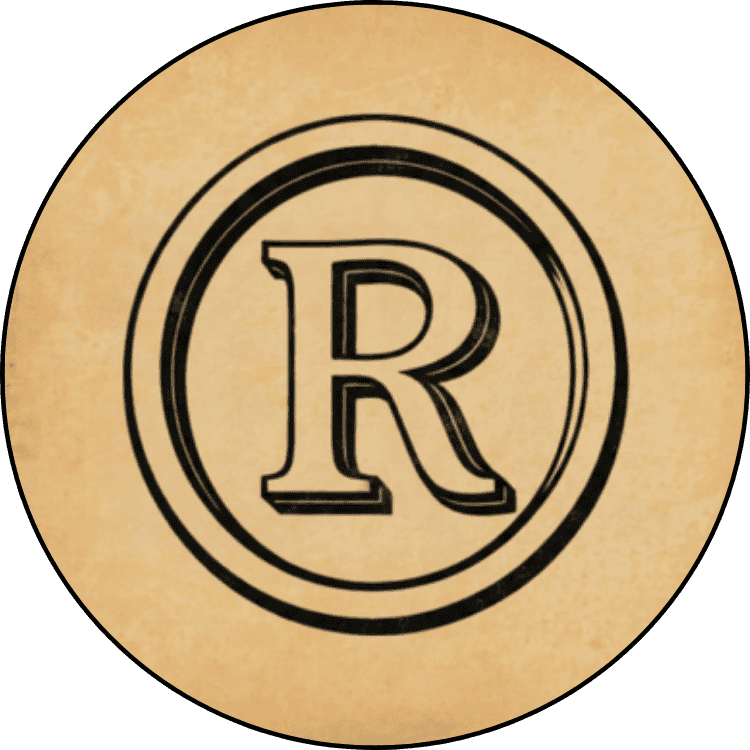
The ® symbol is the official notice that a trademark or service mark has been federally registered with the United States Patent and Trademark Office (USPTO).
Under Section 29 of the Lanham Act (15 U.S.C. § 1111), only the owner of a federal registration—or a properly authorized licensee—may use the ® symbol. Using the ® symbol before the United States Patent and Trademark Office (USPTO) issues a registration certificate is a violation of federal law and can result in civil liability. Courts have treated premature use of the ® symbol as inequitable conduct and can completely invalidate trademark rights (Copelands’ Enterprises, Inc. v. CNV, Inc., 945 F.2d 1563 (Fed. Cir. 1991)).
Key legal effects of the ® symbol include:
- Nationwide constructive notice of the registration
- A legal presumption of ownership and validity in federal court
- Eligibility for profits, damages, and attorney’s fees in infringement actions
- The ability to record the mark with U.S. Customs and Border Protection (CBP) for border enforcement
While an application is pending, businesses can use the ™ or ℠ symbols as immediate, safe common-law fallbacks.
Bottom line: You may use the ® symbol only after the USPTO has issued a federal registration certificate.
A pending serial number does not authorize ®. The difference is explained in trademark serial number vs registration number.
Premature use violates 15 U.S.C. § 1111 and can weaken your legal position.
What is the Trademark Symbol (™) and When Can You Use it?
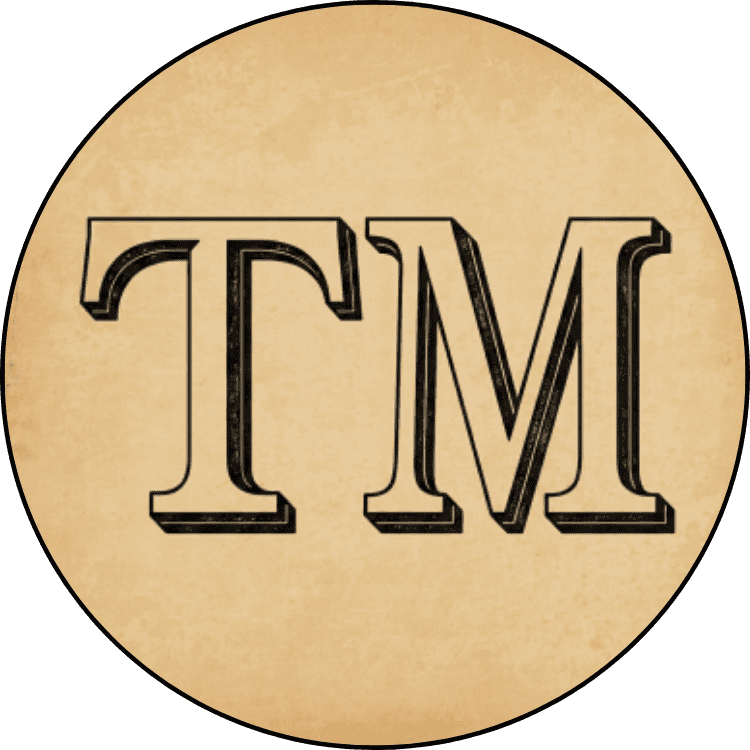
The ™ symbol is used to claim common-law trademark rights in a mark that identifies goods.
Unlike the ® symbol, the ™ symbol requires no government registration or approval. You may begin using it as soon as you adopt and use a mark in connection with goods in commerce. The ™ symbol puts the public and competitors on notice that you claim trademark rights in the mark, even though those rights are limited to the geographic area of actual use and are not backed by a federal registration.
Primary benefits of using the ™ symbol:
- Provides public notice of your common-law claim
- Helps deter competitors from adopting confusingly similar marks
- Supports the development and enforcement of common-law rights
- Signals to consumers that the mark functions as a brand identifier
Bottom line: You can (and should) use the ™ symbol immediately on goods without any USPTO registration. It strengthens notice and deterrence but does not create federal trademark rights or nationwide protection.
What is the Service Mark Symbol (℠) and When Can You Use It?
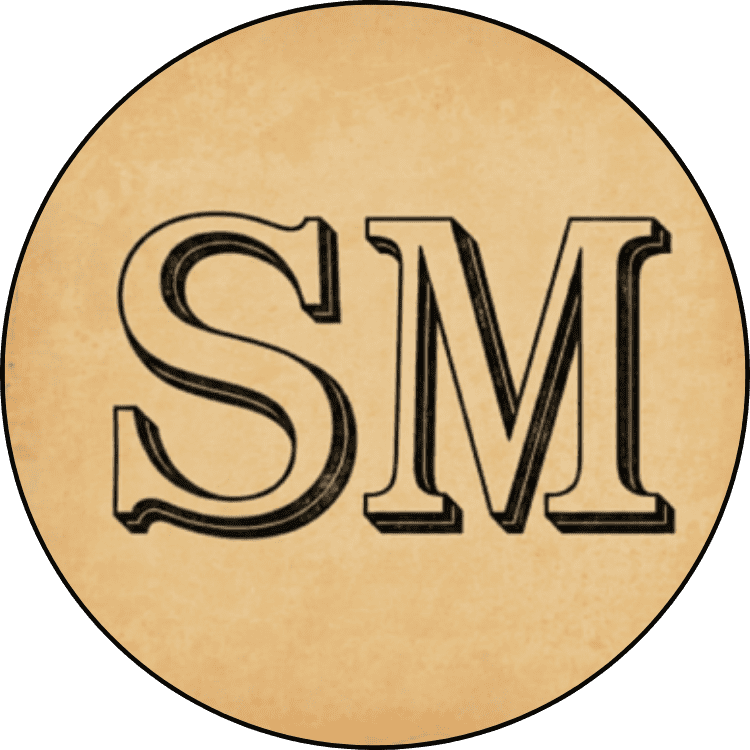
The ℠ symbol is used to claim common-law rights in a mark that identifies services rather than goods.
Like the ™ symbol, the ℠ symbol may be used at any time without federal registration. It serves the same notice function as ™, but it specifically signals that the mark is being claimed as a service mark. The distinction matters primarily for clarity—courts and the public understand ™ as relating to goods and ℠ as relating to services.
Primary benefits of using the ℠ symbol:
- Gives public notice of your common-law service mark claim
- Helps prevent others from adopting similar service marks in your market
- Supports enforcement of common-law rights in the geographic area of use
- Educates consumers that the mark identifies your services
Bottom line: Use the ℠ symbol freely and immediately on services. It provides valuable notice and deterrence, but—like ™—it does not create federal rights or the nationwide protections that come with a federal registration and the ® symbol.
Where Should You Place Trademark Symbols on Name and Logos?
Proper placement of the trademark symbol maximizes notice while maintaining clean branding. The conventional placement is immediately to the right of the mark, usually in superscript.
- Text, Wordmarks, and Slogans: Position the appropriate symbol immediately following the final character of the name or phrase. Format the marker exclusively in superscript typography in the upper-right corner (e.g., BrandName™).
- Logos, Icons, and Graphic Designs: Position the symbol in the lower-right corner of the primary visual mark. Format the marker using subscript typography, or integrate it directly into the structural outline of the graphic to preserve visual symmetry.
A real-world example of how a major brand handles logo registration, multi-class protection, and symbol usage appears in our Metallica Logo Trademark Guide.
Deployment Density and Frequency Rules
- First-Instance Dominance: You do not need to repeat a trademark symbol every time a brand asset appears within a single document, webpage, or marketing asset. Standard legal practice requires displaying the marker only upon the very first instance or within the primary structural heading.
- Visual Optimization: Omitting repetitive markers past the first instance prevents typographic clutter while fully preserving your common-law and statutory rights.

FAQS About Trademark Symbols
This reference section provides immediate, direct answers to the most common questions about trademark symbols.
Q: When am I legally allowed to use the ® symbol?
You may use the ® symbol only after the USPTO has issued a federal registration certificate for the mark. Using ® before registration is a violation of federal law (15 U.S.C. § 1111) and can result in civil penalties.
Q: Can I use the ™ or ℠ symbol without registering my trademark?
Yes. Both the ™ and ℠ symbols may be used immediately, without any government registration. They give public notice of your common-law trademark or service mark claim.
Q: What is the legal difference between ™ and ℠?
™ is used for trademarks that identify goods. ℠ is used for service marks that identify services. Both signal unregistered (common-law) rights. Functionally, they serve the same notice purpose.
Q: What are the main legal benefits of using the ® symbol?
The ® symbol provides nationwide constructive notice of your federal registration, creates a presumption of ownership and validity in court, enables recovery of profits and damages, and allows you to record the mark with U.S. Customs and Border Protection for border enforcement.
Q: What are the main benefits of using the ™ or ℠ symbols?
They put the public on notice of your claim to the mark, help deter competitors from adopting similar brands, and support the development of common-law rights in your geographic area of use. They do not provide nationwide federal protection.
Q: Where should I place the trademark symbol on a name or logo?
Place the symbol immediately to the right of the mark. For word marks and slogans, use superscript in the upper-right corner. For logos and design marks, place it in the lower-right corner. You generally only need to show it on the first or most prominent use of the mark in a given context.
Q: Do I have to use a trademark symbol every time the mark appears?
No. Best practice is to use the symbol on the first prominent appearance of the mark in a document, advertisement, or product packaging. Repeated use on every instance is unnecessary and can look cluttered.
Q: Can using the wrong symbol hurt my trademark rights?
Yes. Premature use of ® can lead to civil liability and may be viewed negatively by the USPTO or a court. Using ™ or ℠ incorrectly (for example, using ™ on a pure service mark) is less serious but can create confusion about the nature of your claim.
Q: Does using ™ or ℠ create any federal trademark rights?
No. The ™ and ℠ symbols only provide notice of common-law rights. Federal rights arise only through actual use in commerce and, for the strongest protection, through federal registration on the Principal Register.
Q: Should I use the symbol in the same style as my logo or brand?
The symbol should be clearly legible but does not need to match the exact font or style of the mark. Superscript is the conventional and preferred format for word marks.
About the Author and Why You Can Trust This Guide
About the Author and Trademark Expertise
The YNAT® Trademarking System and Core Principles
- Operational Efficiency — streamlined legal processes designed to minimize time, cost, and administrative friction.
- Proactive Communication — clear, transparent, and predictive client communication at every stage.
- Sustainable Growth — long-term client relationships centered on sustainable brand protection.
- Measurable Value — practical, results-driven strategies that deliver tangible business assets
87 ⭐⭐⭐⭐⭐ Reviews
Need Help With A New Trademark Application?
Free Strategy Consultation With An Attorney
Simple Flat Fee Pricing • Free Clearance Search • Honest Advice

🏷️ Quick-Reference Glossary: Trademark Terms
- USPTO (United States Patent and Trademark Office): The federal agency responsible for examining trademark applications and issuing official certificates of registration. It holds exclusive authority over federal intellectual property enforcement boundaries in the U.S.
- Common Law Trademark Rights: Automatic, localized intellectual property protections established through commercial use rather than government registration. These rights are restricted geographically to the marketplace where your product or service actively operates.
- The Lanham Act: The primary federal trademark statute in the United States governing registrations, symbol compliance, and infringement litigation. It dictates the strict rules and penalties associated with using the registered trademark symbol.
- Inequitable Conduct: The intentional misuse or premature display of the registered symbol before receiving an official USPTO certificate. This federal violation provides immediate grounds for the government to reject pending applications or invalidate active marks.
- Territorial Protection: The legal principle dictating that intellectual property rights are strictly limited to the borders of the issuing nation. Holding a valid trademark registration abroad grants zero authority to display the registered symbol within the United States.
Trademark Attorney-Client Privilege Disclaimer
Disclaimer: No Attorney-Client Relationship or Legal Advice
This content is for general informational and educational purposes only and does not constitute legal advice. Reading or interacting with it does not create an attorney-client relationship. A formal relationship is formed only through a signed engagement agreement. Reading, sharing, or interacting with this content does not create an attorney-client relationship.
Do not send confidential trademark concepts or brand names through comments, forms, or email on this site — unsolicited information is not privileged. Trademark rights depend on specific facts and jurisdiction. Past results do not guarantee future outcomes. Consult a licensed trademark attorney for advice on your situation.
Remember: I am an experienced trademark attorney. However, I am not your attorney.

For more than twenty years, Michael Kondoudis has been the go-to trademarking expert for businesses of all shapes and sizes. Michael is a USPTO-licensed trademark and patent attorney, educator, speaker, and author of the Amazon best-seller: Going From Business Owner to Brand Owner. He is also an authority trusted by national news media on major trademark stories.
Fun Facts: Michael is a member of the Bar of the U.S. Supreme Court and an actual rocket scientist (B.S. Astronomy and Astrophysics, Indiana University 1994).